Government of IndiaGOVERNMENT OF INDIA
Skip to main content
English language
Accessibility
Accessibility Tools
Color Adjustment
Text Size
Navigation Adjustment
Screen Reader iconScreen Reader
MyGov Twitter
MyGov Facebook
MyGov Youtube
MyGov Instagram
MyGov Linkedin
MyGov Whatsapp
Meri Sarkar Logo

Recent Searches

      Close

      Get Involved

      • Groups
      • Do/Tasks
      • Discuss
      • Poll/Survey
      • Blog
      • Talk
      • Quiz
      • MG Prime
      • Campaigns
      • Pledge
      • Podcast
      • Media
      • Periodicals

      MyGov States

      • Andaman & Nicobar Islands
      • Arunachal Pradesh
      • Assam
      • Chandigarh
      • Chhattisgarh
      • Dadra and Nagar Haveli and Daman and Diu
      • Goa
      • Gujarat
      • Haryana
      • Himachal Pradesh
      • Jammu And Kashmir
      • Jharkhand
      • Karnataka
      • Ladakh
      • Madhya Pradesh
      • Maharashtra
      • Manipur
      • Mizoram
      • Nagaland
      • Rajasthan
      • Tamil Nadu
      • Tripura
      • Uttar Pradesh
      • Uttarakhand
      • Lakshadweep
      • Odisha
      • Puducherry
      • Sikkim

      Microsites

      • Blog
      • Campus
      • Innovate India
      • Pledge
      • Quiz
      • Saathi
      • Self4Society
      • Transforming India
      • PM Events

      Get to Know

      • MyGov: An Overview
      • Associate with MyGov
      • Work at MyGov
      • Circulars
      • Pulse Newsletter
      • Tenders
      • Weekly Newsletter
      • Meity Dashboard
      • Sectors
      • Skills
      • Area of Interest
      • Age Group
      • National Events
      • Archive Sites

      Help/Feedback

      • Contact Us
      • FAQ
      • Feedback
      • Help
      • Link To Us
      • Public Grievance
      • Site Map
      • Terms & Conditions
      • Usage of Aadhaar
      • Web Information Manager
      • ICC
      • MyGov Social
      • Points and Badges
      • Website Policies
      user-profile
      Together, Let's Engage In Good Governance 
      Login/Register
      1. Home
      2. Discuss
      3. Inviting Ideas for Next Phase of Rural Sanitation
      Facebook X
      Inviting Ideas for Next Phase of Rural Sanitation
      Start Date 01/08/2026 - 11:49
      End Date 02/10/2026 - 23:45
      Time zone: IST (GMT +5.30 Hrs)
      Login to Participate
      Sector:
      Water & Sanitation
      Created : 1/08/2026
      667
      Total Comments
      485
      Users Participated

      In the last 12 years, SBM(G) has evolved from a sanitation programme into a nationwide movement that has improved public health, enhanced dignity of women, empowered communities and promoted sustainable rural development. Building on the achievement of Open Defecation Free (ODF) status, SBM(G) 2.0 has expanded its focus to sustaining sanitation outcomes through interventions such as Individual Household Latrines (IHHLs), Community Sanitary Complexes (CSCs), Solid and Liquid Waste Management, Plastic Waste Management, Faecal Sludge Management, GOBARdhan, Information, Education and Communication (IEC) and Capacity Building. The current phase of the Mission is scheduled to conclude in March 2027.

      As the Department prepares the roadmap for the next phase of rural sanitation, it seeks ideas from citizens to sustain and strengthen the gains achieved under SBM(G) while addressing emerging challenges related to waste management, resource recovery, environmental sustainability, Operation & Maintenance (O&M) and long-term community ownership of assets and outcomes. Innovative, practical and scalable solutions are required to enhance sanitation service delivery, strengthen waste management systems, promote behavioural change and accelerate the transition towards a circular waste-to-wealth economy. Given that the diversities of rural areas from urban cities, suggestions and ideas, specific to rural scenarios will be highly appreciated. Along with these, with peri-urban areas / villages also growing fast and having characteristics of urban centers, solutions specific for such areas are also being sought.

      The success of SBM(G) has been driven by the spirit of Jan Bhagidari (People's Participation). Citizens, Gram Panchayats, SHGs, youth, Swachhagrahis and other stakeholders have been at the forefront of transforming rural sanitation and their continued participation will remain critical for sustaining these achievements. 

      Accordingly, the Department of Drinking Water and Sanitation (DDWS), Ministry of Jal Shakti in collaboration with MyGov, invites citizens, youth, Gram Panchayats, SHGs, academic and research institutions, development partners and other stakeholders to share their suggestions and ideas for the next phase of rural sanitation programme on the following:

      1. Areas to be taken up (including existing areas where gaps may be remaining)
      2. New technological interventions for SWM, GWM, FSM.
      3. Rural Sanitation 
      4. Solutions for treating pollution in small nallahs/rivulets discharging into rivers in rural areas.
      5. Adoption of solutions based on traditional knowledge and ancient wisdom in new settings for rural India. 
      6. Any other area related to the programme.

      The suggestions received will help and guide the next phase of SBM(G) and contribute to building cleaner, healthier and environmentally sustainable villages that will be strong contributors for achieving the goal of Viksit Bharat@2047.

      Participation Guidelines 

      1. All Citizens, youth (including students), Gram Panchayats & SHGs, academic and research institutions, development partners, NGOs and other stakeholders are invited to contribute ideas for shaping the next phase of rural sanitation and solid-liquid waste management under Swachh Bharat Mission (Grameen).
      2. For detailed information about SBM(G) Phase II, applicants may visit the SBM(G) Phase II operational guidelines available on website of the Department (https://swachhbharatmission.ddws.gov.in). The guidelines can also be assessed through: https://swachhbharatmission.ddws.gov.in/sites/default/files/Guidelines/SBMG%20Phase-II%20Operational%20Guidelines.pdf 
      3. Suggestions may be submitted on any of the major components of SBM(G), including Individual Household Latrines (IHHLs), Community Sanitary Complexes (CSCs), Solid Waste Management, Liquid Waste Management, Plastic Waste Management, GOBARdhan, Faecal Sludge Management, Information, Education and Communication (IEC) and Capacity Building. Global best practices forming the bases of solution, may also duly mentioned and referred.
      4. Participants are encouraged to propose innovative, technology-driven, scientific, managerial, practical, feasible and scalable solutions to address rural sanitation challenges and strengthen long-term sustainability.
      5. Suggestions should focus on supporting the Department of Drinking Water and Sanitation (DDWS), Ministry of Jal Shakti, in developing the roadmap for the next phase of rural sanitation for India.
      6. Participants are required to register on the MyGov platform and submit their suggestions through the prescribed online form.

      pahadi_4
      pahadi_4
      2 months 1 week ago

      Mygov

      rakeshtripathi75
      rakeshtripathi75
      2 months 1 week ago

      स्वच्छ भारत मिशन , स्वस्थ भारत की नीव है इसमे कोई दो राइ नहीं की इस दिशा में कार्य कराये गए लेकिन विशेष जोर इसकी निरंतरता बनाये रखने में है. इसकी निरंतरता बनाये रखने के लिए आवाश्यक है की ग्राम पंचायत एवं विकास खण्ड पर एक तंत्र विकसित किया जय जिससे बनाये गए एसेट जैसे rrc की फंक्शनलिटी फ़िल्टर चैम्बर की फंक्शनलिटी का नियमित अंतराल पर अनुश्रवण कियाजा सके , ग्राम पंचायत में इसका एक तंत्र विक्सित हो .प्रायः यह देखा जा रहा है की ग्राम पंचायत में जो तैनात सफैकर्मी है उनके द्वारा कूड़ा का उठान नहीं किया जा रहा है जिससे यह व्यवस्था असफल होती प्रतीत हो रही है है. आज के समय में कोई बिना पैसे के कम करना नहीं चाहता इनके osr generate करके खर्च निकालने की बात की जा रही है लेकिन ग्राम पंचायत स्टार पर ल्वाच्छाता शुल्क लगाना अपने आप में ठेडी खीर है ग्राम प्रधान एक राजनितिक व्यक्ति होता है जिसमे विशेषकर ठोस अपशिष्ट इज्बंधन के उपायों को ग्राम पंचायत में लागु करना कठिन प्रतीत होता है इसके लिए ब्लाक स्टार पर नियमित निगरानी के लिए प्रोफ़्फ़ेस्सिओनल रखन अनिवार्य है जिसके पास अथारिटी हो कि की आवश्यक सुझाव एवं

      darshanh_11
      Darshan H
      2 months 1 week ago

      1. The Circular Economy: Waste-to-Wealth Bio-Energy Plants: Programs like GOBARdhan focus on converting cattle dung, agricultural waste, and kitchen scraps into biogas. This gives villages clean cooking fuel and produces bio-slurry, an excellent organic fertilizer for crops. 2. Smart Tech & Digital Monitoring IoT-Enabled Community Toilets: Installing Internet of Things (IoT) sensors in community sanitary complexes to monitor water availability, odor levels, and usage. If a toilet needs cleaning or a soak pit is almost full, the system automatically alerts the local maintenance team. 3. Next-Gen Liquid Waste (Greywater) Management Phytoremediation: Using specific plants and constructed wetlands to naturally filter and treat greywater (wastewater from kitchens and baths). This treated water can then be safely reused for farming or community gardens. Tackling Plastic Waste 4. Rural Plastic Banks: Setting up collection centers 5. Community-Led Operations

      MithunSana
      MithunSana
      2 months 1 week ago

      Elevated and flood-tolerant toilets: Special ECOSAN (Ecological Sanitation) or dry toilets that are free from groundwater contamination for flood-prone or high water table areas. Plastic alternatives: latrine soak-pits or Using local clay rings, bamboo, and environmentally friendly alternatives to build the tank. Greywater management Management): Instead of dumping used water from kitchens and bathrooms down the drain, it is naturally purified using local Kachuripana/Vetiver grass filters (Constructed Wetlands) and reused in agriculture. 2. How to implement:Step-by-step guide Step 1: Village-based data collection and wasteMapping 1st - 2nd month Step 2: Formation and capacity building of village sanitation committees 3rd month Step 3: Setting up eco-processing plants in a cluster model 4th - 8th monthStep 4: Marketing and Self-reliant model Running from 9th month 3. Sustainability strategies and funding sources

      (2.92 MB) (0.02 MB) (0.04 MB)
      Hariram_29
      Hariram_29
      2 months 1 week ago

      स्वच्छ गाँव–आत्मनिर्भर पंचायत का सुझाव: पंचायत स्तर पर गाँव से निकलने वाले जैविक कचरे और पशु अपशिष्ट से बायो-सीएनजी (सीबीजी) का उत्पादन किया जाए और उसके साथ छोटा सीएनजी बिक्री केंद्र स्थापित किया जाए। पूरी परियोजना को निजी क्षेत्र की भागीदारी (पीपीपी मॉडल) पर संचालित किया जाए, ताकि संयंत्र का संचालन, रखरखाव और विपणन व्यवस्थित रूप से हो सके। इससे कचरे का वैज्ञानिक निस्तारण होगा, स्वच्छता बढ़ेगी, पंचायत को राजस्व मिलेगा, स्थानीय रोजगार पैदा होंगे और गाँव अपनी स्वच्छता व्यवस्था के लिए आर्थिक रूप से आत्मनिर्भर बन सकेगा।

      Sukesh kumar_2
      Sukesh kumar_2
      2 months 1 week ago

      Biggest problem with sanitation or seach Bharat is it's sustenance with money All dustbin put during initial period are gone The garbage collection in many homes has stopped because people didn't wanted to pay tips We should do something to encourages swachata sathis to collect garbages from home Also we need to popularise segregation of waste before giving it to Swachata sathis

      KhuallunaTbc
      KhuallunaTbc
      2 months 1 week ago

      Proper disposal of biodegradable and non-biodegradable waste is extremely important. If only you could help arrange waste disposal methods for every local community, or purchase plastic at Rs 50 per kg, and regularly test/check our drinking water quality every month, as these are crucial for our health. Furthermore, the government needs to take stronger action regarding the containment/control of stray animals by implementing stricter regulations.

      Dinesh kumar_22
      Dinesh kumar_22
      2 months 1 week ago

      1. प्रशासनिक और तकनीकी स्टाफ का विस्तारस्वच्छाग्रहियों एवं जल सहयोगियों का जोड़: प्रत्येक ग्राम पंचायत में कम से कम एक समर्पित 'स्वच्छाग्रही' या कैडर नियुक्त किया जाए, जो सीधे ग्रामीणों से संवाद कर सके।स्वयं सहायता समूहों (SHGs) की भागीदारी: राष्ट्रीय ग्रामीण आजीविका मिशन (NRLM) के तहत गठित महिला स्वयं सहायता समूहों को ठोस एवं तरल कचरा प्रबंधन (SLWM) तथा प्लास्टिक वेस्ट प्रोसेसिंग सेंटर चलाने की जिम्मेदारी दी जा सकती है।2. विभिन्न योजनाओं का समावेशन (Convergence)मनरेगा (MGNREGA): कचरा पृथक्करण शेड (Segregation Sheds), सोकपिट (Soak Pits), और सामुदायिक शौचालयों के निर्माण में श्रम लागत (Labour Cost) को मनरेगा के साथ जोड़ा जाना चाहिए।15वां वित्त आयोग (15th Finance Commission): पंचायतों को मिलने वाले बंधित अनुदान (Tied Grant) का 30% हिस्सा स्वच्छता और जल प्रबंधन के लिए अनिवार्य रूप से आवंटित और उपयोग किया जाए।गोबरधन योजना (GOBARdhan Scheme): पशुपालन विभाग और कृषि विकास योजनाओं के साथ मिलकर जैविक कचरे से बायो-गैस और जैविक खाद बनाने के संयंत्र स्थापित किए जाएं।3. प्रशिक्षण और क्षमता निर्माण

      (0.41 MB)
      Ankitgarg_134
      Ankitgarg_134
      2 months 1 week ago

      Jay Hind

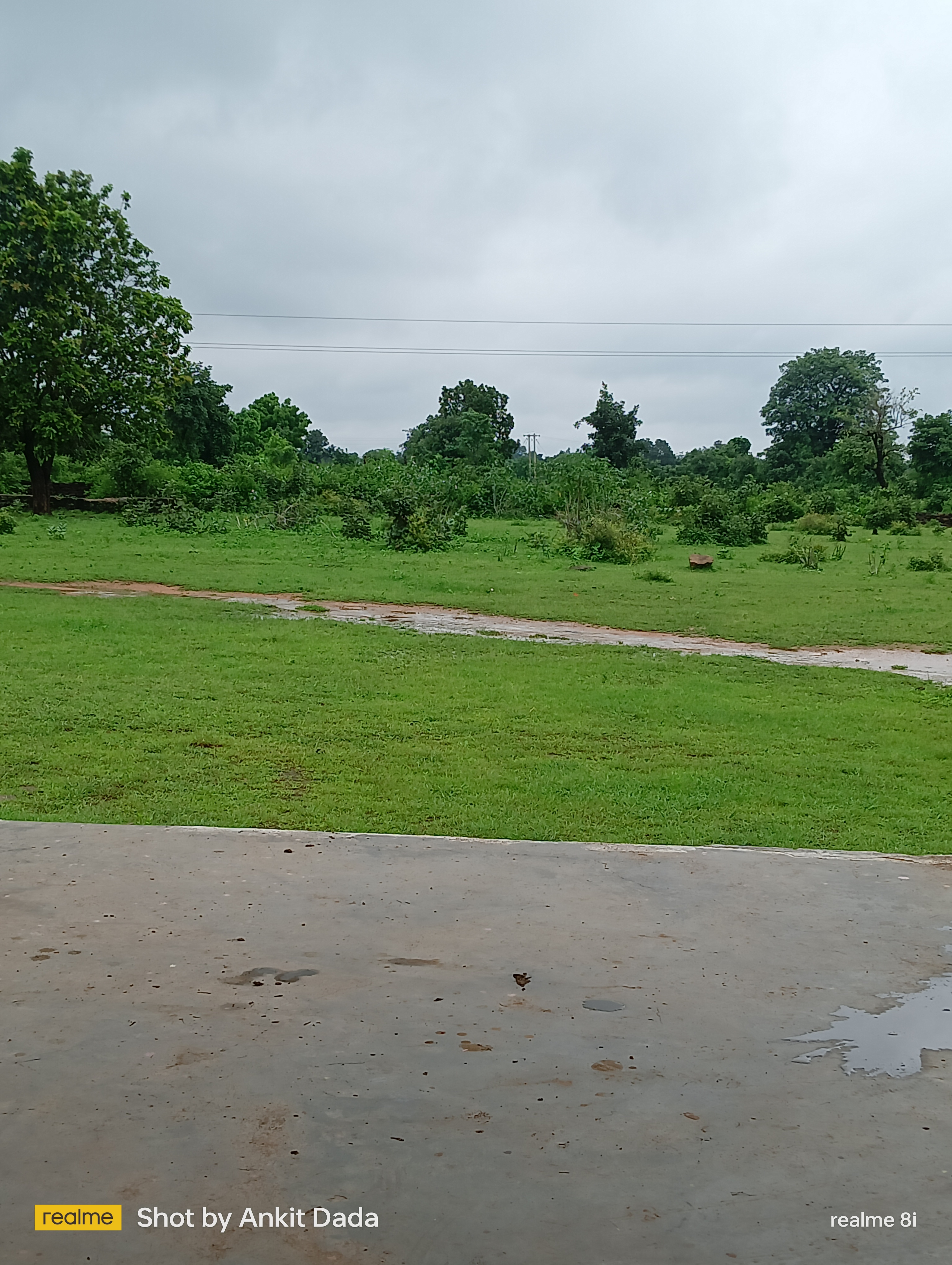
      comments image 178380
      SHIVANISHARMA_1024
      SHIVANISHARMA
      2 months 1 week ago

      अगले चरण में हमारा मुख्य फोकस केवल नए sanitation assets के निर्माण पर न होकर existing assets की sustainability, O&M एवं regular monitoring पर होना चाहिए। SBM-G, MGNREGA एवं Finance Commission से निर्मित community toilets, soak pits, compost pits, drains एवं segregation sheds आदि की नियमित जांच, मरम्मत एवं कार्यशीलता सुनिश्चित करने के लिए dedicated Sanitation/O&M Monitoring Team की आवश्यकता है। विशेषकर हिमाचल प्रदेश के कुल्लू जैसे पहाड़ी क्षेत्रों में slope, heavy rainfall एवं landslide-prone areas को ध्यान में रखते हुए hill-specific greywater एवं soak-pit models विकसित किए जाने चाहिए। साथ ही PWMU के लिए cluster-based model, continuous IEC/BCC, पंचायत स्तर पर Asset Register एवं O&M Plan, User Charges तथा Sanitation Fund के पारदर्शी उपयोग एवं निगरानी की व्यवस्था होनी चाहिए, ताकि पंचायतों में उपलब्ध धनराशि का सही उपयोग सुनिश्चित हो और asset creation से आगे बढ़कर functional, transparent एवं sustainable sanitation system विकसित किया जा सके।

      • First page « First
      • Previous page ‹ Previous
      • …
      • Page 28
      • Page 29
      • Page 30
      • Page 31
      • Current page 32
      • Page 33
      • Page 34
      • Page 35
      • Page 36
      • …
      • Next page Next ›
      • Last page Last »
      Please Log In to submit a comment.
      Get Involved
      • Groups
      • Do/Tasks
      • Discuss
      • Blog
      • Poll/Survey
      • Talk
      • Quiz
      • MG Prime
      • Campaigns
      • Pledge
      • Podcast
      • Media
      • Periodicals
      Get to Know
      • MyGov: An Overview
      • Associate with MyGov
      • Work at MyGov
      • Circulars
      • Pulse Newsletter
      • Tenders
      • Weekly Newsletter
      • MeitY Dashboard
      • Sectors
      • Skills
      • Area of Interest
      • Age Group
      • National Events
      • Archive Sites
      Help & Support
      • Contact Us
      • FAQ
      • Feedback
      • Help
      • Link To Us
      • Public Grievance
      • Site Map
      • Terms & Conditions
      • Usage of Aadhaar
      • Web Information Manager
      • ICC
      • MyGov Social
      • Points and Badges
      • Website Policies
      Useful Links
      • MyGov Quiz MyGov Quiz
      • Transforming India Transforming India
      • MyGov Innovation MyGov Innovation
      • MyGov Pledge MyGov Pledge
      • MyGov Blog MyGov Blog
      • Self4Society Self4Society
      • Campus Program Campus Program
      • MyGov Saathi Saathi
      Follow us
      Twitter Twitter 33.11 + Lakh Followers Facebook Facebook 15.14 + Lakh Followers Instagram Instagram 30.73 + Lakh Followers YouTube YouTube 7.43 + Lakh Subscribers LinkedIn LinkedIn 1.63 + Lakh Followers Messenger Messenger 1.60 + Lakh Followers WhatsApp WhatsApp 910.05 + Lakh Followers DailyHunt DailyHunt 7.2 + K Followers Public Public 85.5 + K Followers ShareChat ShareChat 82.22K Followers Snapchat Snapchat View All
      QR Code

      Download the MyGov Mobile App Join us in building a New India on the move.

      App Store Play Store
      NIC logo

      © Content owned, updated and maintained by the MyGov Cell. This website belongs to MyGov, Ministry of Electronics & Information Technology, Government of India.
      Platform is designed, developed and hosted by National Informatics Centre.

      CQW - MyGov certificateCertified Quality Website
      • Meity
      • Digital India
      • National Portal of India
      • Data Portal

      Copyright © MyGov 2014

      mygov-1 - Last Updated: October 30, 2026
      Top
      This website uses cookies to provide a better user experience.
      By clicking accept, you agree to the policies outlined in the Cookie Settings.