 GOVERNMENT OF INDIA


All Talks Under MyGov
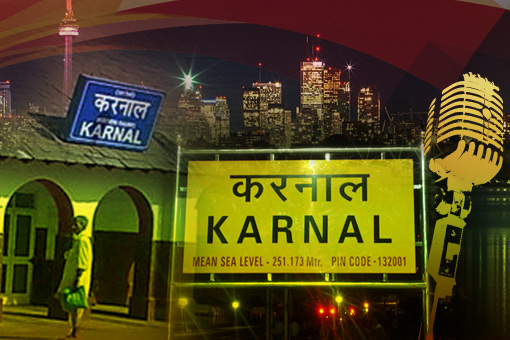
Smart City Talk Show- Karnal
As stipulated in the guidelines for the Smart City, The Municipal Corporation, Karnal a City Level Talk Show has been scheduled on 29th September 2015 from 3.00 P.M. to 4.00 P.M on MyGov. The talk show is to be delivered on various points related to Smart City Challenge-II and the preparedness of Karnal Municipal Corporation. The talk is to be delivered in presence of intellectual prominent citizens. This talk show will be headed/ hosted by Ld. Deputy Commissioner, Karnal, Mayor, Municipal Corporation Karnal and Ld. Commissioner, Municipal Corporation, Karnal.
Mann Ki Baat - Prime Minister’s radio programme on September 20, 2015
Prime Minister of India Shri Narendra Modi's address to the nation - #MannKiBaat on All India Radio was held on September 20, 2015. Transcript of Mann Ki Baat in different languages. English Bengali Gujarati Malayalam Telugu
Mann Ki Baat - Prime Minister’s radio programme on August 30, 2015
Prime Minister of India Shri Narendra Modi's address to the nation - #MannKiBaat on All India Radio was held on August 30, 2015. Transcript of Mann Ki Baat in different languages. English Bengali Gujarati Malayalam Marathi Tamil Telugu

Mega Event by Chandigarh Administration for Citizen Consultation
Municipal Corporation Chandigarh on behalf of Chandigarh Administration is organizing a mega event on 24-08-15 (3pm) to kickstart its citizen consultation process for Stage 2 of the "Smart City Mission" City Challenge. This event will be held in Tagore Theatre (Sec-18, UT, Chandigarh) where different stakeholders of the city will be called and they will be explained about this Smart City Mission. The residents of the city will be educated about how they can submit their smart views/suggestions.
Mann Ki Baat - Prime Minister’s radio programme on July 26, 2015
Prime Minister of India Shri Narendra Modi's address to the nation - #MannKiBaat on All India Radio was held on July 26, 2015. Transcript of Mann Ki Baat in different languages. English Bengali Malayalam
Mann Ki Baat - Prime Minister’s radio programme on June 28, 2015
Prime Minister of India Shri Narendra Modi's address to the nation - #MannKiBaat on All India Radio was held on June 28, 2015. English Transcript of Mann Ki Baat - Prime Minister’s Radio Programme on June 28, 2015
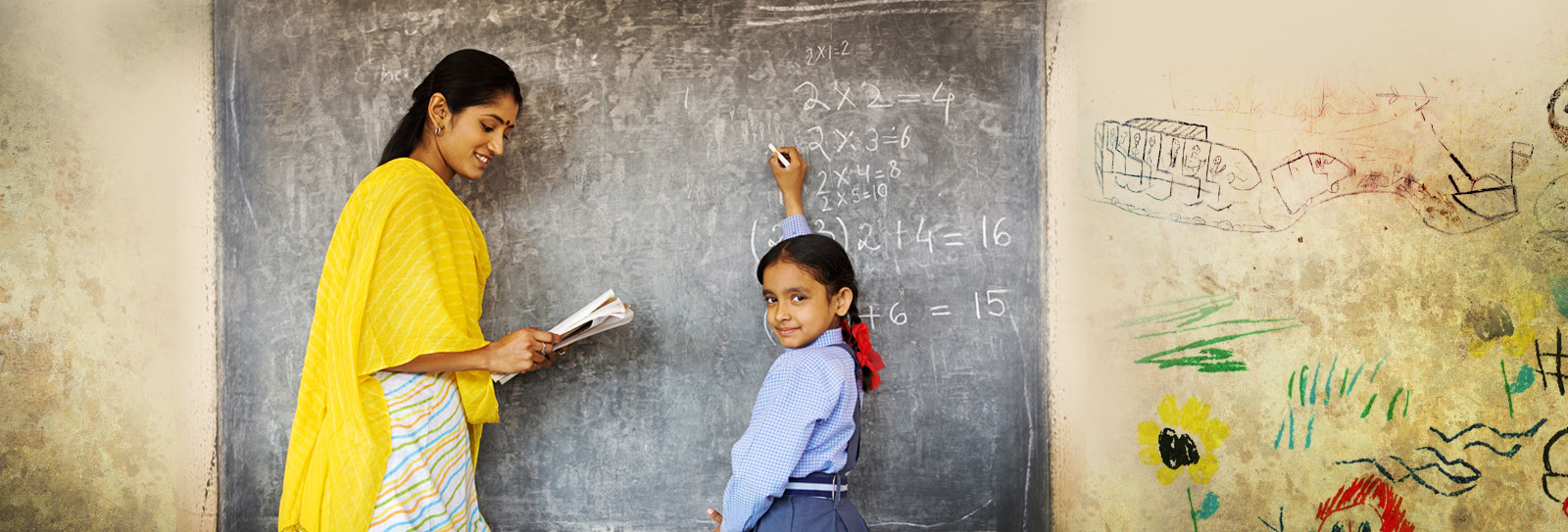
Video conference with State Education secretaries and State Informatics Officers regarding the New Education Policy
The objective of the consultation process for the New Education Policy is to ensure that an inclusive, participatory and holistic approach is undertaken encompassing expert opinions, field experiences, empirical research, stakeholder feedback as well as lessons learned from the best practices. While past consultative processes have been extensive, they have taken a top-down approach, depending on the limited feedback from field workers and stakeholders on the ground who are responsible for implementing the New Education Policy.

Promoting Research and Innovation
The progress of the nation depends on its sustained growth of education and research in science and technology. To meet the objective, our research should bear international comparison in terms of standards of attainment. A major weakness of Indian education and research is the relatively very small part played by the universities in the sum total of Indian research. The government can take several steps to encourage research and innovations in the universities. Promotion of research in liberal arts and social sciences, including inter-disciplinary research is significant too.
Google Hangout on Digital India Challenge
The Innovate for Digital India Challenge seeks to combine Government of India’s bold vision of Digital India and the immense entrepreneurship talent in India with Intel’s history of game-changing innovation & world-class technology to create products and solutions addressing the real challenges to mass adoption of technology in the country.
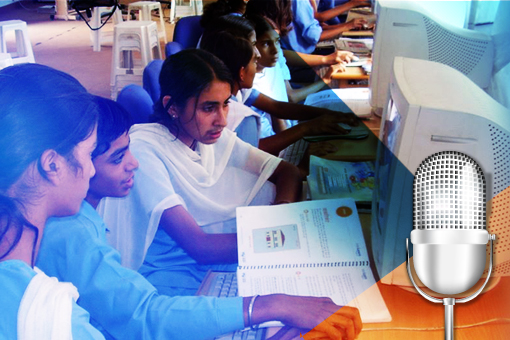
Promotion of Information and Communication Technology systems in school and adult education
ICT can potentially make significant difference in improving the quality of education. The National Policy of ICT in School Education envisions and provides for the development of a holistic framework of ICT support in the school system. While there have several ways in which ICT in schools are being implemented, we need to optimally use and leverage technology to achieve quality and efficiency in all of the interventions.
Developing the best teachers
Teachers are the cornerstone of any educational system. Developing the teaching talent and incentivizing best teachers, retaining good teachers are all significant to improving the quality of teaching. Views are elicited so that our higher education institutions can nurture good faculty who in turn can propel higher standards in our students.
Enabling Inclusive Education – education of Girls, SCs, STs, Minorities and children with special needs
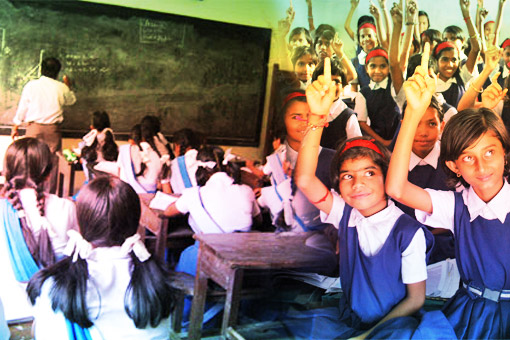
The issue of social access and equity are far too complex. While the gaps in average enrolments between disadvantaged groups like SC, ST, Muslims, girls and Children with special needs and the general population have decreased, there is still a considerably large gap in learning levels with historically disadvantaged and economically weaker children having significantly lower learning outcomes. Large and growing learning gaps threaten the equity gains achieved on the enrolment front because children with lower levels of learning are more likely to drop out.